Sleepmaxxing for Mental Wellness: The New Self‑Care Trend

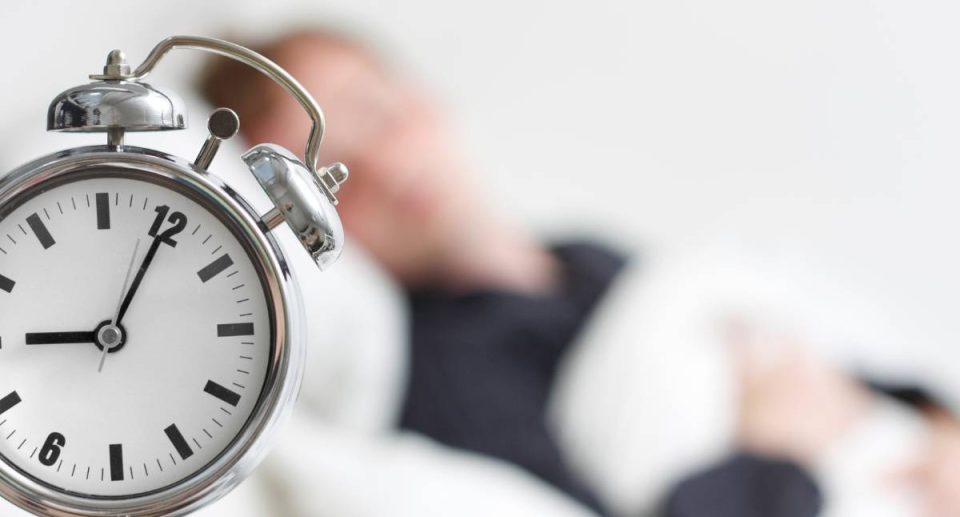
In today’s fast-paced, always-on world, more people are turning to sleepmaxxing. a self-care trend focused on optimizing sleep not just for rest, but for mental wellness, emotional balance, and cognitive performance.
Unlike simply trying to get more sleep, sleepmaxxing is about getting better sleep, using a combination of routines, environment adjustments, technology, and mindful practices to maximize the quality of rest.
What Is Sleepmaxxing?
Sleepmaxxing involves intentionally improving sleep through habits, environmental tweaks, relaxation techniques, and sometimes supplements.
This can include maintaining a consistent sleep schedule, creating a dark and quiet sleep environment, using wearable sleep trackers to monitor patterns, or practicing breathing and relaxation exercises before bed. The goal is to enhance both the duration and quality of sleep to reap mental and emotional benefits.
While these strategies are popular online, it’s worth remembering that the term “sleepmaxxing” itself is more of a social media trend than a scientifically validated intervention. People are experimenting with it based on influencer guidance rather than clinical studies.
Why Sleepmaxxing Matters for Mental Health
The link between sleep and mental wellness is well established. Studies show that individuals who sleep six hours or less per night are about 2.5 times more likely to experience frequent mental distress, such as persistent feelings of anxiety or low mood.
Improving sleep quality has been shown to reduce symptoms of depression and anxiety, with research indicating measurable drops in both when participants adopted better sleep habits.
Chronic sleep problems also impair emotional regulation, making it harder to manage stress and increasing the risk of mood disorders.
Benefits of Sleepmaxxing for Mental Wellness
Optimized sleep has a profound impact on mental wellness. Adequate and high-quality rest supports mood stability, emotional resilience, and better cognitive function, helping with memory, focus, and problem-solving. Studies show that enhancing sleep quality can reduce depression and anxiety symptoms.
Monitoring sleep patterns also encourages self-awareness, allowing individuals to recognize how lifestyle choices affect their mental health.
Sleepmaxxing treats sleep as an active component of self-care, not just rest, and can serve as preventive mental health support, but it should be approached critically, considering the lack of evidence behind some influencer-promoted strategies.
Real-life Experiences and Examples
People experimenting with sleepmaxxing often report improvements in mood, energy, and mental clarity. On online platforms, users describe combining behavioral habits like blackout curtains, magnesium supplementation, or breathing exercises with data from wearables to achieve “deeper rest and better cognitive performance.” However, experts caution that obsessing over “perfect sleep” can lead to sleep anxiety and make rest more difficult.
During stressful periods such as the pandemic, many healthcare workers and students adopted techniques like Cognitive Behavioral Therapy for Insomnia (CBT‑I) to manage disrupted sleep, which reduced anxiety and improved overall sleep quality. Wearable devices are increasingly used to monitor heart rate, movement, and sleep stages, helping individuals understand patterns and predict mental health fluctuations.
It is essential to remember that while these experiences are shared widely online, the overall sleepmaxxing approach is largely based on influencer recommendations, and not all methods have strong scientific support.
How to Practice Sleepmaxxing Mindfully
Mindful sleepmaxxing starts with building a consistent routine, going to bed and waking up at the same time each day. Creating a sleep-friendly environment is essential: keeping the room dark, quiet, and cool promotes restorative rest.
Relaxation techniques such as deep breathing, progressive muscle relaxation, or guided imagery can signal the body that it’s time to sleep. Supplements like magnesium or melatonin may support sleep, but they should not replace healthy habits and should be used under professional guidance.
Given the influencer-driven nature of this trend, it is particularly important to critically evaluate popular recommendations, avoid extreme hacks, and consult mental health or sleep professionals when needed.
Final Thoughts
Sleepmaxxing reflects a growing recognition that sleep is a core tool for mental wellness, not just a passive necessity. When practiced mindfully, it can improve mood, resilience, cognitive performance, and overall emotional balance.
Remember that sleepmaxxing as a defined package is largely influencer-recommended. While some individual strategies have scientific support, the overall concept has not yet been studied in formal research. Some popular methods, including one uncomfortable but widely promoted choice, lack strong evidence, so it’s necessary to approach sleepmaxxing with awareness and caution.
Frequently Asked Questions (FAQs)
Yes, in many ways. While the strategies behind it have some scientific basis, the concept as a packaged trend is largely influencer-promoted and has not been formally studied.
Most adults benefit from seven to nine hours per night, with research suggesting around seven hours as optimal for cognitive and emotional health.
Yes. Trackers estimate sleep based on movement and heart rate, so they should be used to observe trends rather than exact measurements.
For many people, they can help, but they are not a replacement for proper sleep habits. Professional consultation is advised before starting supplements.
Obsessing over sleep can cause “orthosomnia.” Simplify your routine, reduce monitoring, and focus on relaxing habits. Professional support may be necessary if anxiety persists.